Where should an AI automation project begin?
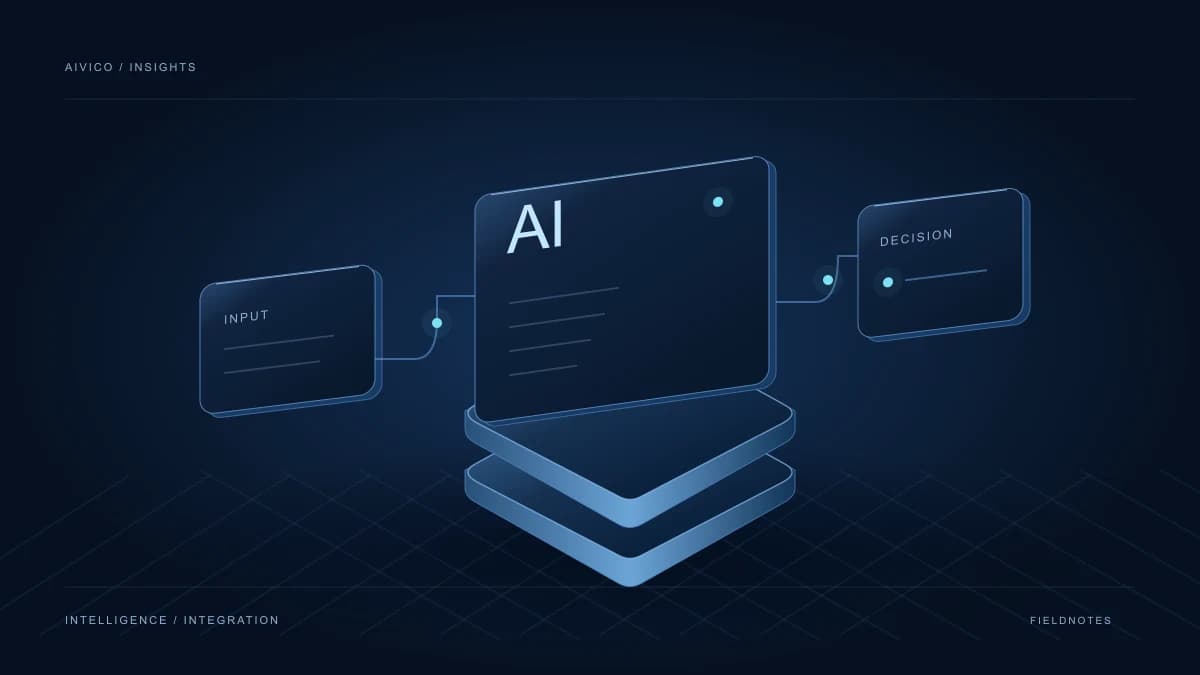
Businesses often approach artificial intelligence as a broad technology initiative. A stronger starting point is a specific, recurring problem in one team's workflow with an outcome that can be measured. Classifying incoming requests, extracting information from documents, drafting reports or summarizing support records are practical examples.
Transaction volume, current workload, error cost and data availability should be considered together when choosing the first use case. A frequent process with too many exceptions may create unnecessary risk for an initial pilot. A workflow with clearer rules and outputs that people can review easily provides faster learning.
Define the process and success criteria before the technology
The objective of an automation project is not simply to use AI. Teams need to understand what work is being performed, how long it takes, where delays occur and who uses the result. This process map reveals where automation can create practical value.
Success criteria should be agreed before the pilot begins. Time per transaction, classification accuracy, rework, response time or completed request volume can be compared with a baseline. This turns the project from a technical demonstration into a measurable business initiative.
Why data quality and integration determine the outcome
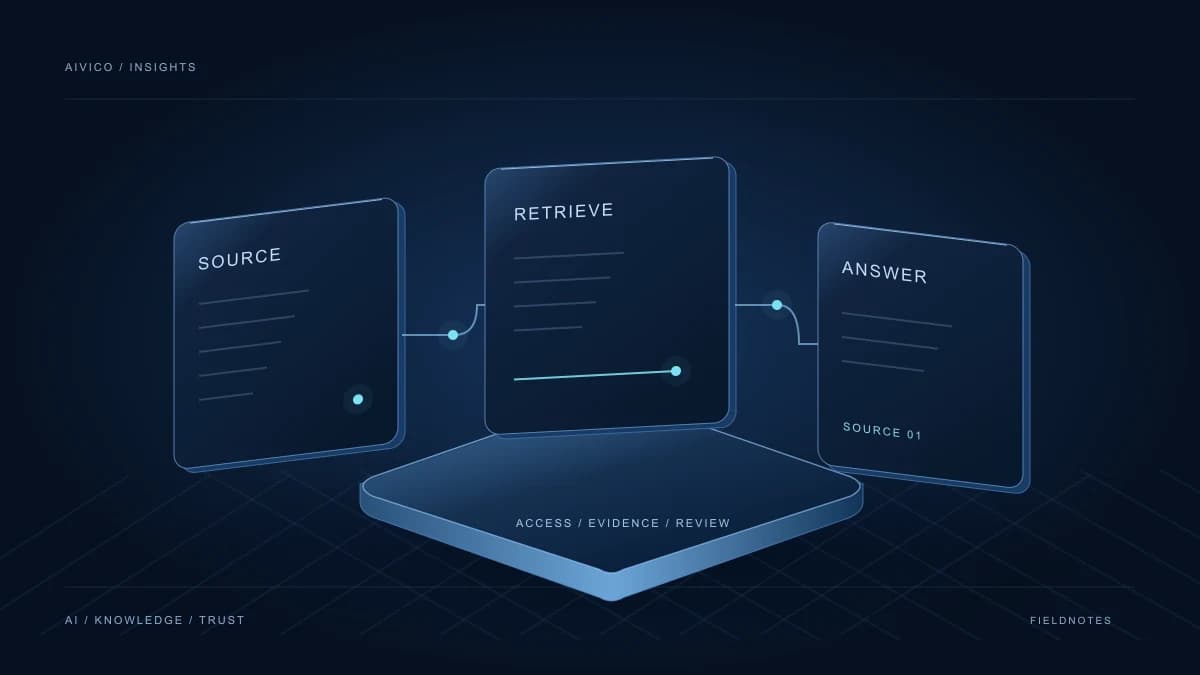
An AI system cannot produce consistent results when it lacks reliable context and current information. Documents spread across folders, conflicting customer records and unclear permissions need attention before model performance becomes the main concern.
For integrations with CRM, ERP, support, email or internal knowledge systems, read access and write actions should be defined separately. Least-privilege access, protection of sensitive information and traceable activity logs are foundational requirements for enterprise use.
Where should human oversight remain?
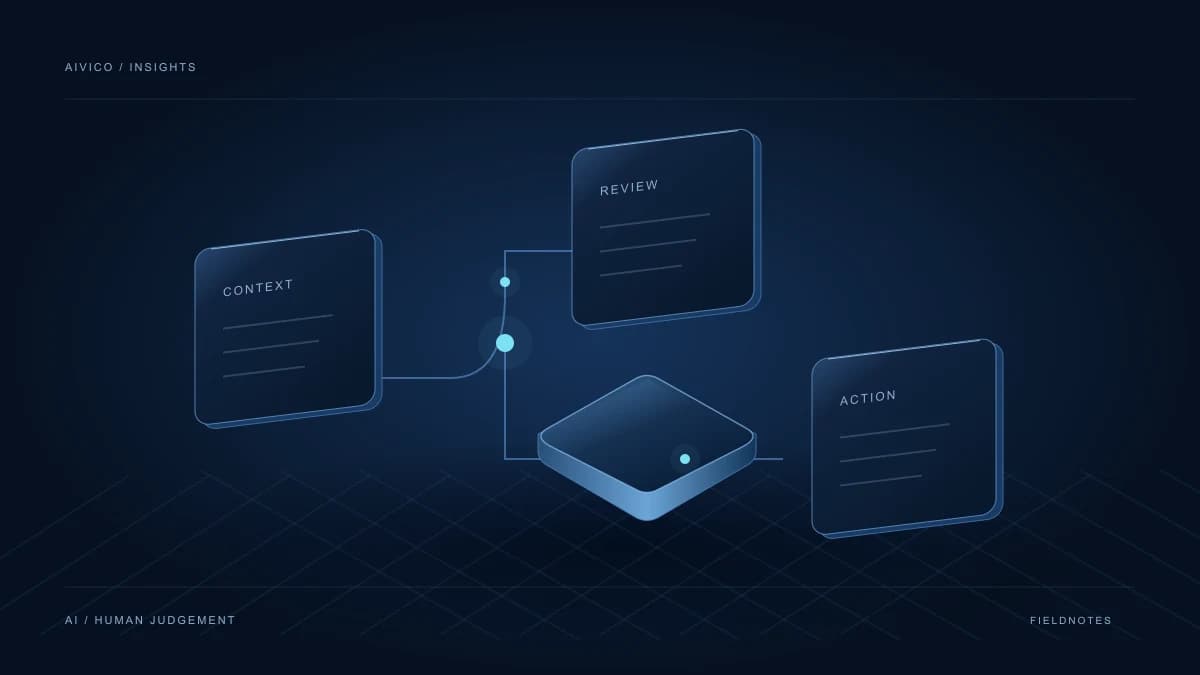
AI should not have the same freedom at every step. Drafting content carries a different level of risk from approving a price, changing a customer record or initiating a financial action. Decisions with greater impact require human approval and clear ownership.
A dependable workflow records the context used, the output produced, the person who approved it and the final action. When confidence is low, the system should be able to stop and route the task to the appropriate person. This protects quality and helps teams build trust in automation.
How to measure and improve an AI pilot
A pilot should run with a limited user group and representative business cases. Teams should capture inaccurate answers, missing context, user corrections and cases the system cannot resolve, alongside successful results. These records become the most useful input for the next improvement cycle.
Speed alone is not enough. Accuracy, user adoption, review time, error impact and the total operational gain should be evaluated together. Pilot findings can then improve data preparation, system instructions, integrations and the user experience.
How to scale a validated pilot across the business
After validation, access should expand gradually by user group, data source and action permission. Monitoring dashboards, error alerts, version management and a rollback plan should be ready before wider production use.
Aivico approaches AI automation through the complete business system: process analysis, data, integrations, user experience and security. The goal is not a one-off demonstration, but a measurable and auditable operation that can expand safely into new use cases.